Source Smart LCD UPS for Industry, Computer, and Lighting
Compare 30 smart lcd ups units featuring single-phase output, sine or modified sine wave forms, and optional SNMP monitoring. Buyers can evaluate models with LED or LCD displays, cold start capabilities, and overvoltage protection for industrial and computer applications; compare the available evidence and request quotations based on your requirements.
Key considerations
Products List


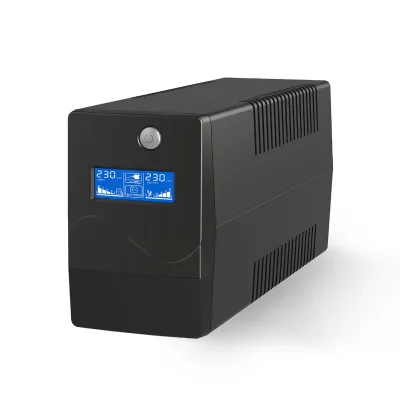
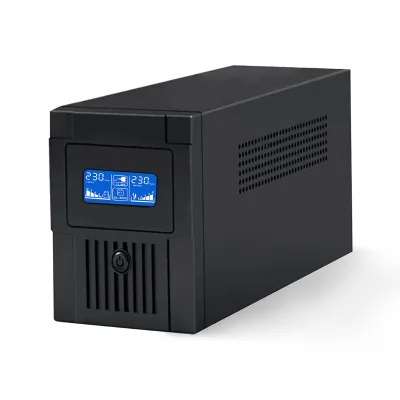
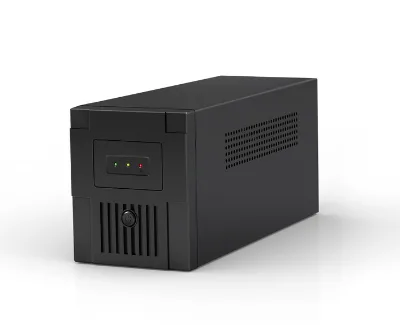
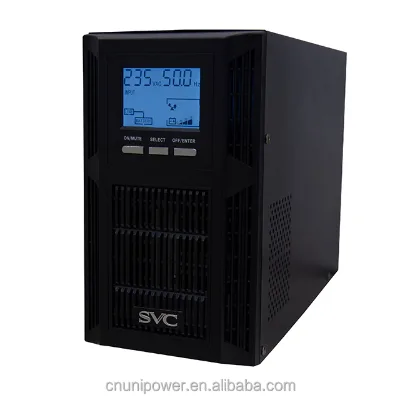


Comprehensive Sourcing Guide
Smart LCD UPS Sourcing Guide
Procuring uninterruptible power supplies with smart LCD interfaces requires a disciplined approach to technical verification and supplier qualification. Buyers must navigate a market where product attributes vary significantly across listings, often mixing conflicting specifications such as output waveforms and input voltage ranges. The core keyword "smart lcd ups" signals a segment of devices that prioritize user visibility and remote monitoring capabilities, yet the actual hardware implementation can differ widely between manufacturers. This guide provides a structured framework for evaluating these products based on observed market signals and essential technical criteria.
The sourcing process begins with understanding the diverse landscape of available units, which range from basic line-interactive models to more complex online systems. Buyers should recognize that not all products labeled with similar features share identical performance characteristics or compliance standards. By focusing on verifiable data points rather than marketing claims, procurement teams can mitigate the risk of receiving equipment that does not meet their specific operational requirements. This guide outlines the critical steps for validating specifications, ensuring regulatory compliance, and establishing reliable commercial terms with suppliers.
Product Scope and Observed Listing Signals
The current market for smart LCD UPS units exhibits a wide variance in technical configurations, with observed listings indicating a price range from $1 to $9,999 and minimum order quantities spanning from 1 to 300 units. This broad spectrum suggests that buyers may encounter everything from single-unit retail replacements to large-scale industrial deployments. The presence of customization options and OEM/ODM services indicates that many suppliers are prepared to tailor products for specific brand or functional requirements, which is a critical consideration for businesses seeking branded solutions or specialized industrial applications.
Observed product attributes reveal a mix of technologies, including both sine wave and modified sine wave outputs, as well as single-phase configurations. Some listings highlight features like cold start capabilities and low noise operation, while others emphasize large output capacities suitable for industrial use. The display options vary, with some units offering smart LCD screens while others rely on LED indicators. Buyers must carefully cross-reference these observed signals with their actual power protection needs, as the presence of a smart display does not guarantee advanced monitoring features or superior power conditioning performance across all listed models.
Technical Specifications to Verify
Verifying the output waveform is a critical first step, as listings show a mix of sine wave, modified sine wave, and simulated sine wave outputs. The choice of waveform directly impacts the compatibility and longevity of connected equipment, particularly sensitive electronics like servers and medical devices. Buyers should confirm whether the UPS provides a pure sine wave output, which is generally recommended for optimal performance, or if a modified waveform is acceptable for less sensitive loads. This verification prevents potential damage or malfunction of downstream equipment due to incompatible power quality.
Input and output voltage ranges must also be rigorously checked against local electrical standards. Observed data includes inputs of 110/120 VAC or 220/230/240 VAC, with corresponding output voltages that may vary. Additionally, transfer times typically range from 2 to 6 milliseconds, which is crucial for determining if the UPS can adequately protect against brief power interruptions. Buyers should also verify the battery type, often lead-acid, and the estimated backup time to ensure the unit can sustain operations for the required duration during an outage.
Compliance and Safety Documentation
Regulatory compliance is non-negotiable for industrial and commercial procurement, with RoHS certification appearing as a key standard in observed listings. Buyers must request valid certification documents to ensure that the UPS units meet environmental and safety regulations in their target markets. While RoHS indicates restricted hazardous substances, it is essential to verify if additional regional certifications, such as CE or UL, are required for specific installations. This documentation serves as proof that the manufacturer adheres to recognized safety and environmental standards, reducing liability and ensuring market access.
Beyond certifications, buyers should inquire about the testing protocols and quality assurance processes employed by the supplier. Although specific test results are not always listed, understanding the manufacturer’s internal quality control measures can provide insight into the reliability of the product. Requests for factory audit reports or third-party inspection summaries can further validate the supplier’s commitment to quality. This due diligence helps ensure that the purchased UPS units will perform consistently and safely under real-world operating conditions, minimizing the risk of field failures.
Cost Drivers and Commercial Terms
The total cost of ownership for smart LCD UPS units is influenced by several factors, including the complexity of the power electronics, the type of display, and the included accessories. Listings indicate that packaging details can vary, with some units shipped in poly bags and color boxes, which may affect shipping costs and handling requirements. Buyers should consider the weight and dimensions of the single package, as these factors directly impact logistics expenses, especially for large orders. Understanding these physical attributes helps in planning warehousing and distribution strategies more effectively.
Commercial terms such as MOQ, lead times, and payment conditions should be negotiated based on the supplier’s production capacity and the buyer’s volume requirements. While observed MOQs range from 1 to 300 units, suppliers may offer more favorable terms for larger commitments. It is advisable to clarify whether customization services, such as OEM branding or specific firmware configurations, incur additional costs. Transparent communication about these commercial details ensures that the final invoice aligns with the budget and prevents unexpected charges during the procurement process.
Supplier Qualification and Quality Control
Evaluating supplier qualifications is essential for ensuring long-term reliability and support. Buyers should verify the supplier’s manufacturing capabilities, particularly if they offer OEM/ODM services, as this indicates a level of technical expertise and flexibility. The place of origin, often Guangdong, China, for many listed units, suggests a concentration of manufacturing expertise in this region. However, buyers should still conduct thorough background checks to confirm the supplier’s reputation, financial stability, and track record in delivering similar products.
Quality control measures should be explicitly defined in the purchase agreement, including inspection points and acceptance criteria. Buyers may request pre-shipment inspections or third-party quality audits to verify that the delivered units meet the agreed-upon specifications. Establishing clear communication channels for technical support and warranty claims is also crucial. A supplier that provides comprehensive after-sales service and readily available spare parts can significantly reduce downtime and maintenance costs, making them a more valuable partner in the long run.
Long-Term Procurement Checks
Long-term procurement success depends on establishing a robust framework for ongoing supplier performance evaluation. Buyers should implement regular reviews of product quality, delivery reliability, and customer service responsiveness. Tracking key performance indicators such as defect rates and response times to technical inquiries can help identify potential issues early. This proactive approach allows for timely corrective actions and ensures that the supply chain remains resilient and efficient over time.
Additionally, buyers should stay informed about technological advancements and regulatory changes that may impact the UPS market. Regularly updating technical specifications and compliance requirements ensures that future purchases remain aligned with current best practices. Building a strong relationship with qualified suppliers can also facilitate access to new product innovations and improved pricing terms. By maintaining a strategic focus on continuous improvement and supplier collaboration, buyers can optimize their power protection infrastructure and support their operational goals effectively.
FAQs
What output waveforms are available for smart LCD UPS units?
Smart LCD UPS models are available with square wave, modified sine wave, simulated sine wave, and sine wave output options. Sine wave output suits sensitive equipment like computers and servers, while modified or simulated sine wave units handle basic loads at lower cost. Confirm the waveform when requesting quotes, since it affects compatibility with your equipment and overall unit pricing.
Can the UPS display be customized between LED and LCD options?
Yes, LED, LCD, and color LCD displays are optional, and smart LCD screens are featured on these units. Display choice typically depends on the model and your customization requirements. Buyers sourcing for OEM or ODM programs should specify the preferred display type early, because it influences the housing design, user interface, and production planning for customized orders.
What battery type is used in these line interactive UPS products?
These line interactive UPS units use lead acid batteries as the built-in energy storage type. Lead acid batteries are widely supported, easy to replace, and cost effective for standby applications. Battery capacity and standby time vary by model, so confirm the exact runtime requirements for your load, especially if you need long-acting standby performance for industrial equipment.
Which input and output voltage ranges do the UPS models support?
The UPS units support input voltage of 110/120 VAC or 220/230/240VAC, with output voltage of 110/120/220/230/240VAC. Output frequency is 60Hz or 50Hz with a tolerance of plus or minus 1Hz. This flexibility lets buyers match regional power standards, so specify your local voltage and frequency when requesting quotations or samples from manufacturers.
How do online and line interactive UPS types differ in this range?
The product range includes both on-line and line interactive UPS types. On-line units continuously convert power for the tightest voltage regulation, while line interactive designs offer typical transfer times of 2 to 6 milliseconds, which is adequate for most computers and office equipment. Choose on-line for sensitive industrial loads and line interactive when budget and efficiency matter more.
Can I order smart LCD UPS units with OEM or ODM customization?
Yes, OEM and ODM customization is available, and customization is listed as offered on these products. You can typically customize branding, display type, housing, and packaging details such as poly bag plus color box packing. Provide your brand requirements, target specifications, and volumes when contacting manufacturers, and request confirmation of RoHS certification for your customized configuration.
What protection and monitoring features do these UPS units provide?
These UPS units include overvoltage protection to safeguard connected equipment during power disturbances. Optional SNMP monitoring cards are available for remote management, which is useful in decentralized industrial setups. Units also offer DC cold start capability, low noise operation, and a power factor of 0.9, so verify which features are standard versus optional for each model before ordering.
Which applications suit a smart LCD UPS with 1000VA capacity?
A 1000VA/600W UPS suits computers, workstations, networking equipment, and light industrial loads requiring backup during outages. With single phase input and output, transfer times of 2 to 6 milliseconds, and lead acid battery storage, it covers typical office and industry applications. Confirm your total load stays within the 600W rating to avoid overloads and shortened standby time.